CYCLES
Beginnings After Endings

Beginnings After Endings
Click To Begin
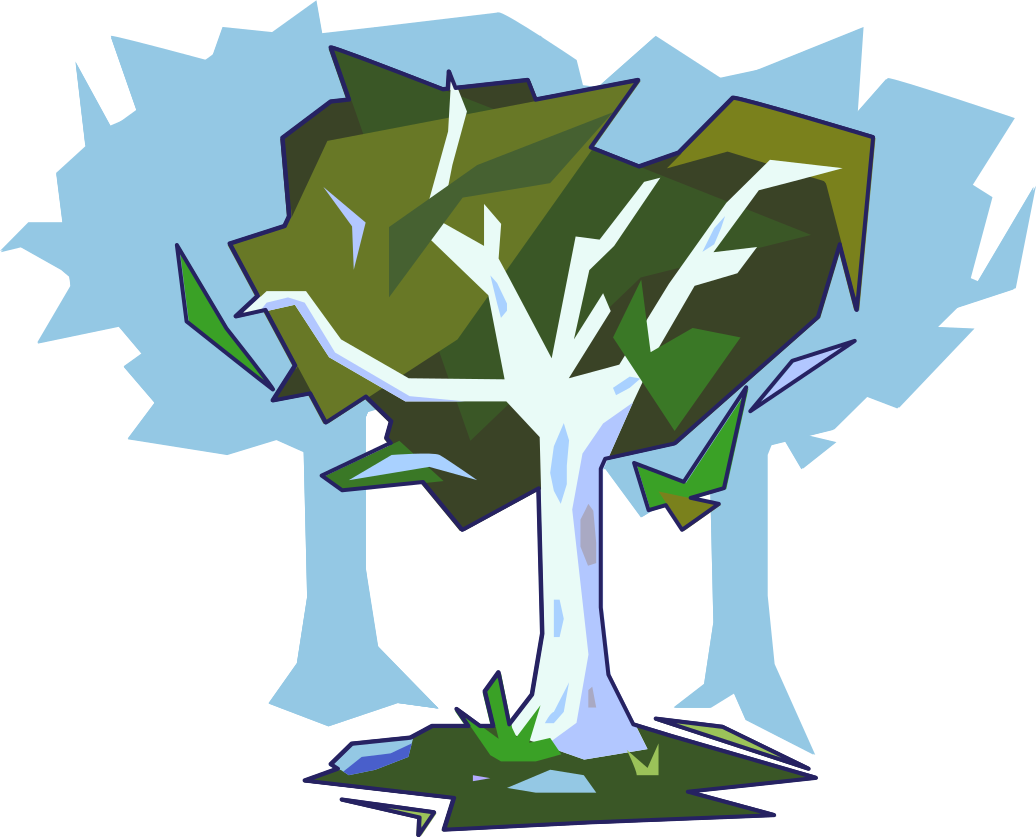
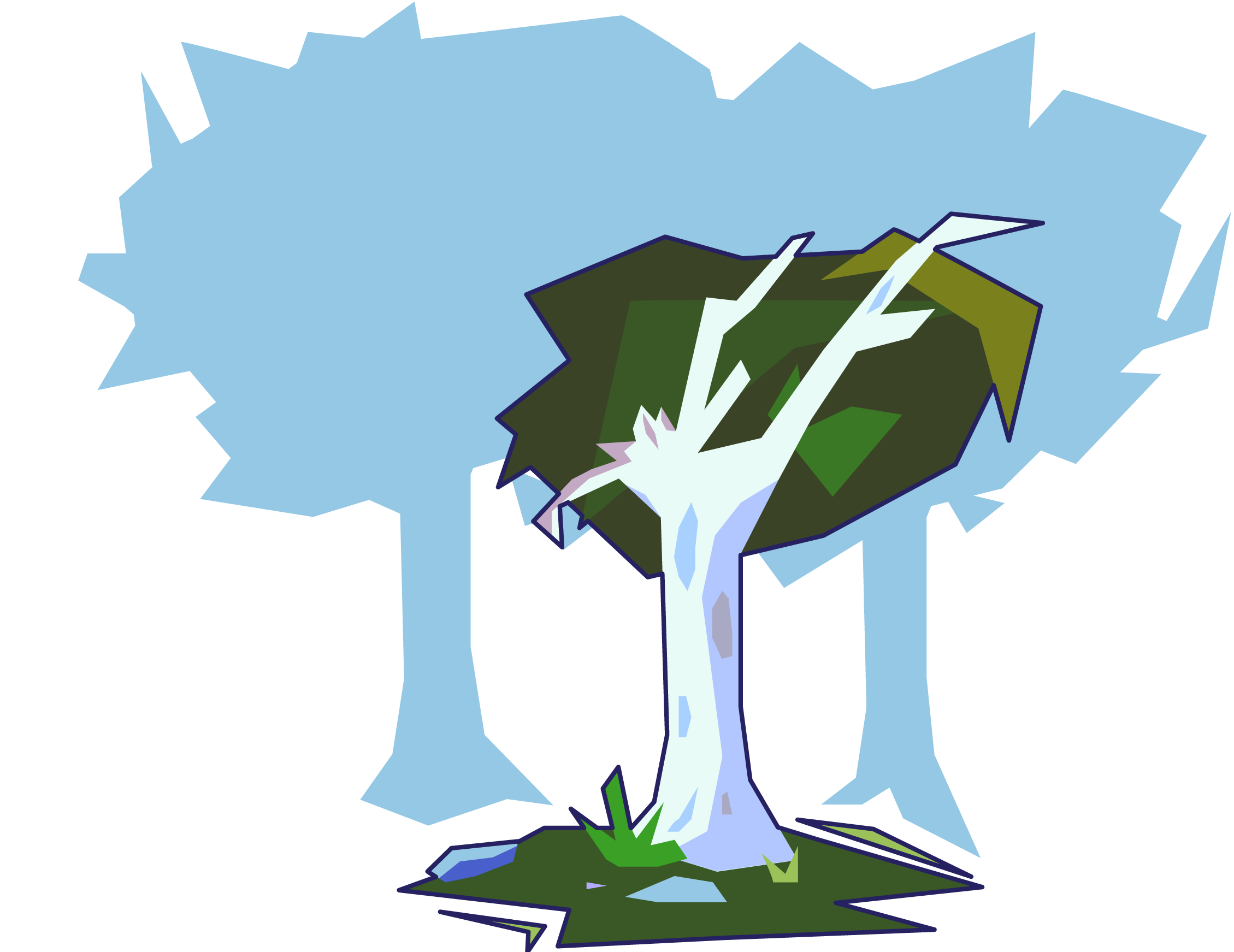
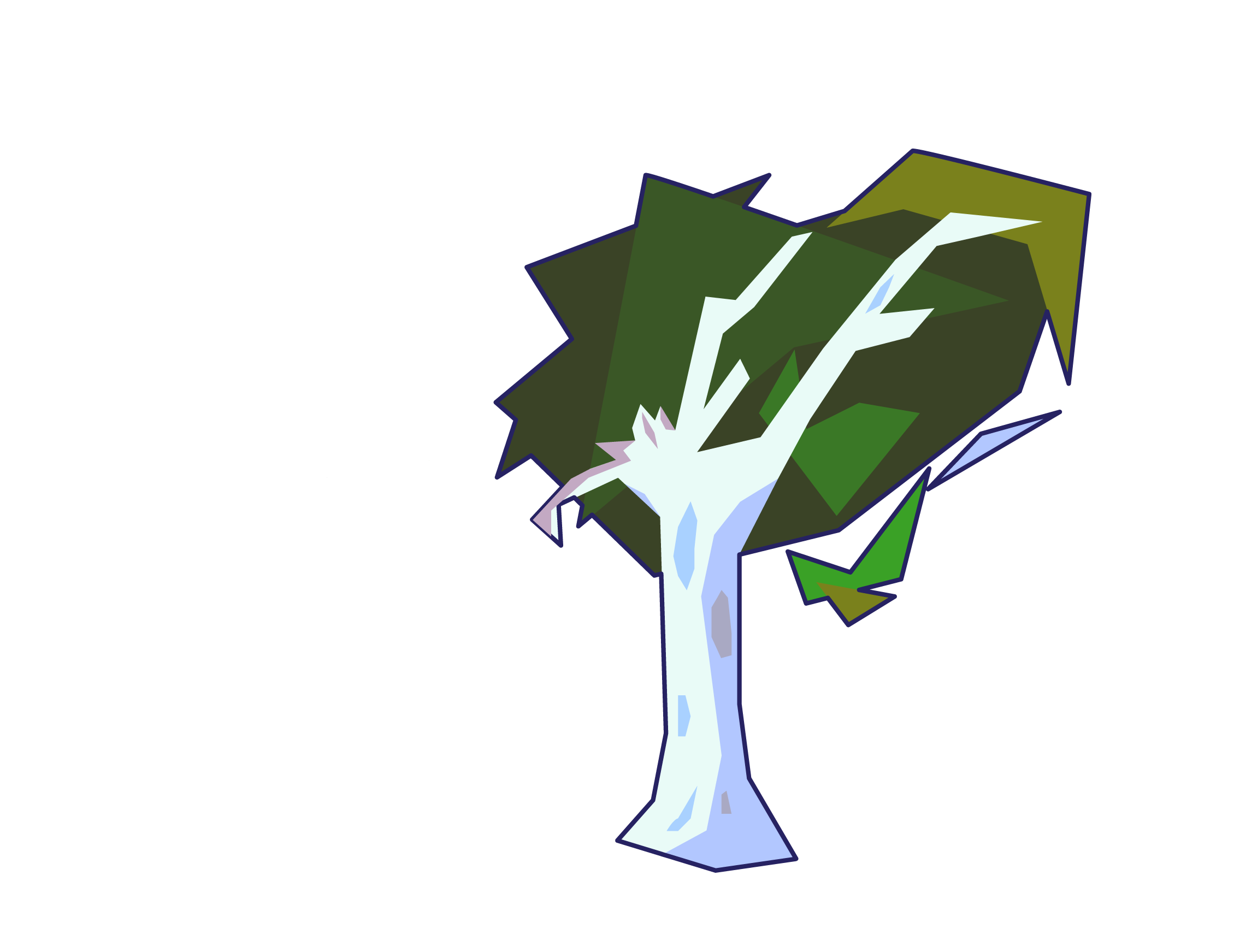
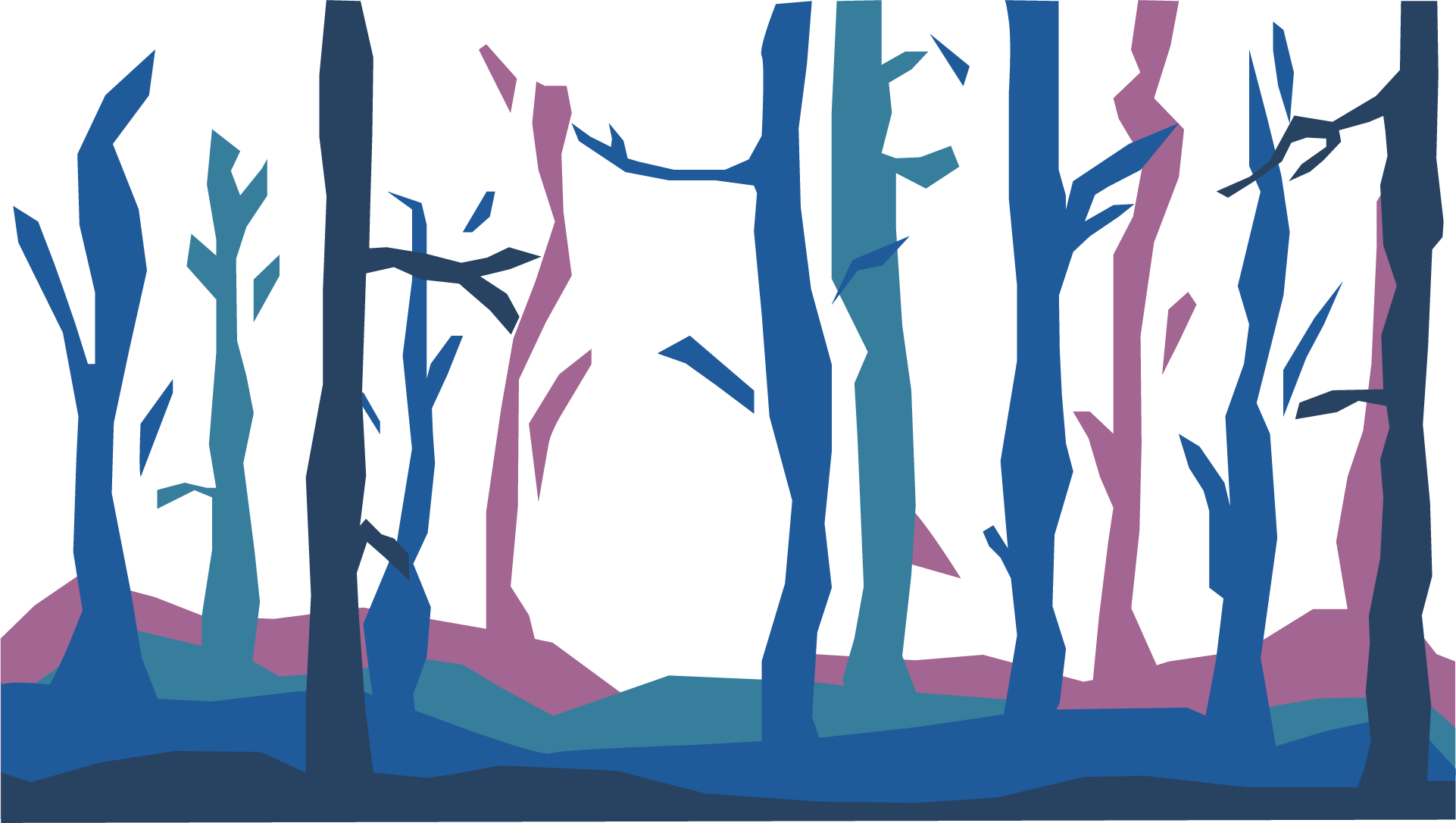
A tree in a forest.
It’s not a particularly special or ancient forest,
nor a particularly special tree.
Its leaves are green; its bark, pale and white.
It stands among many, alike in their height.
It grows toward light,
drinks from the soil,
and grows larger and thicker every night.
Scroll to continue
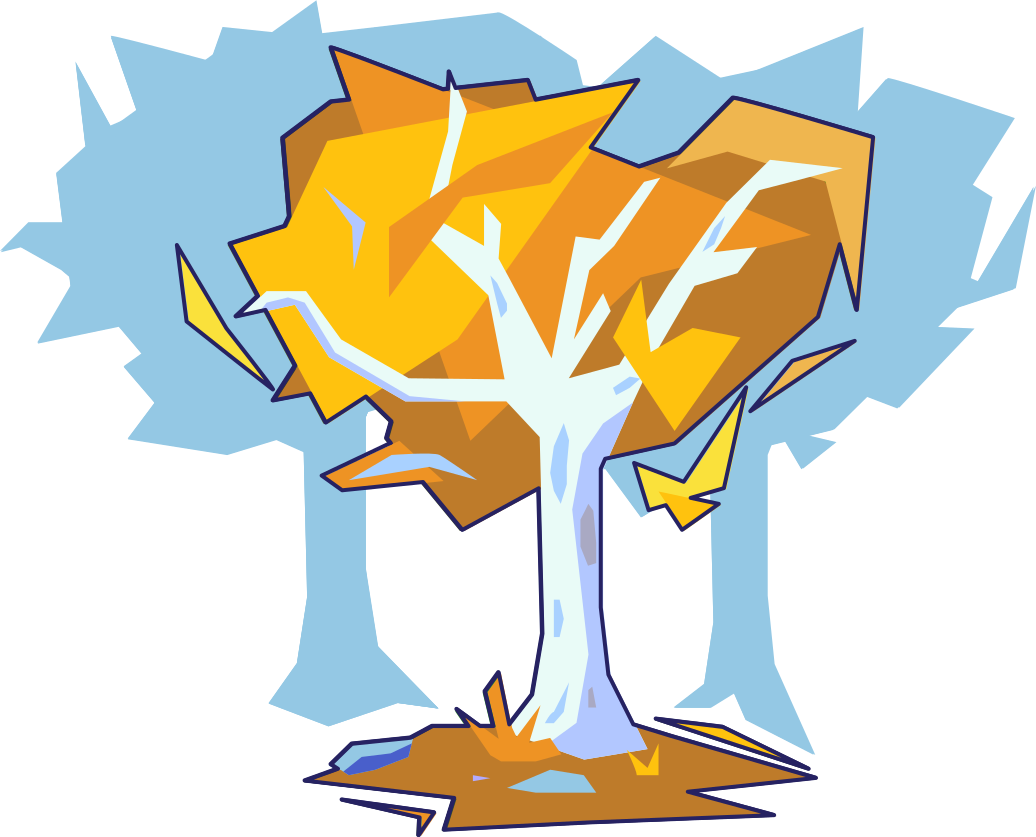
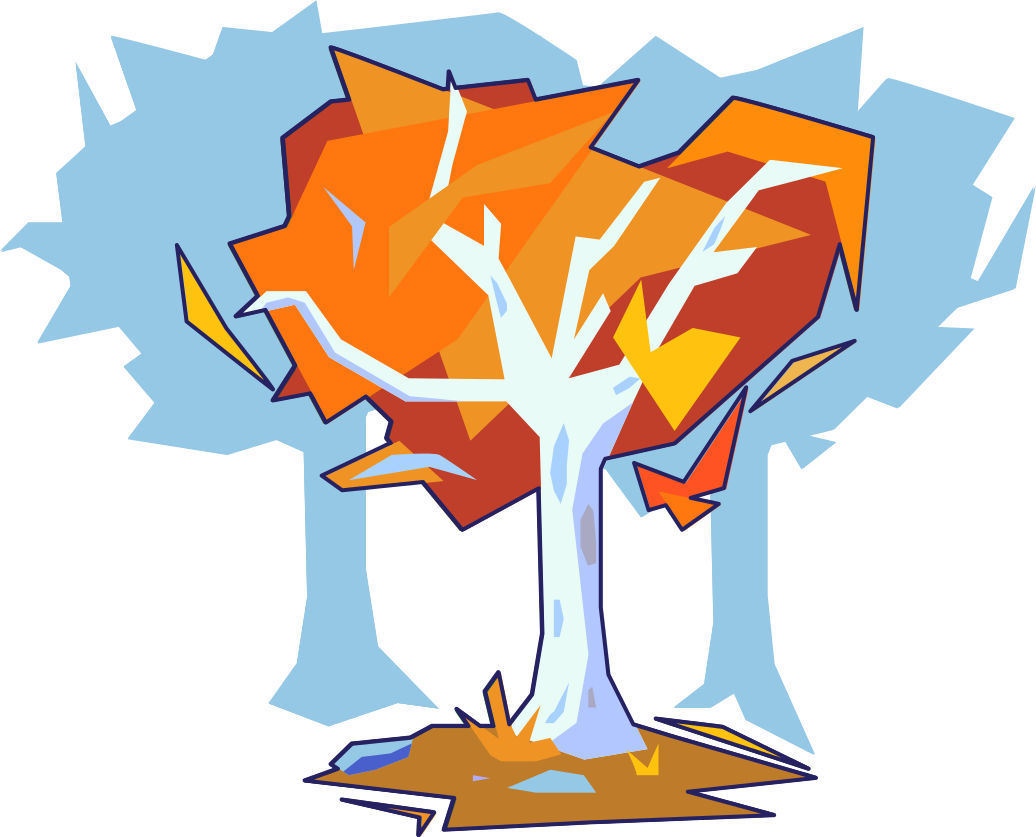
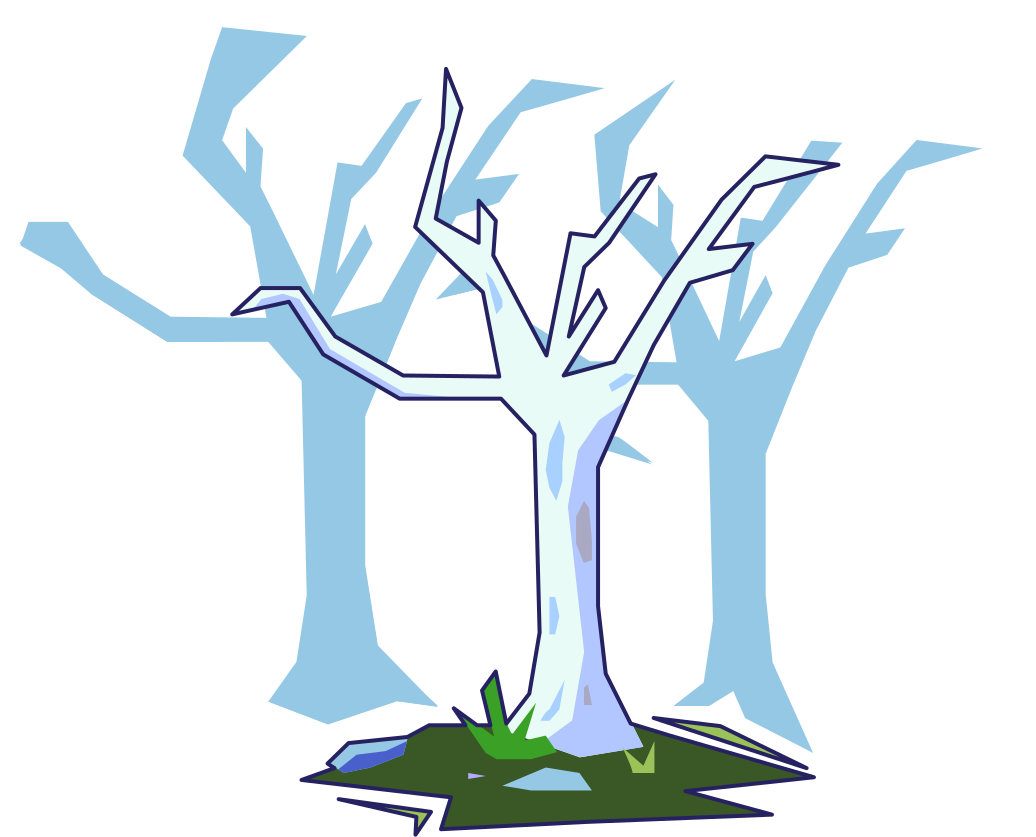
Seasons pass.
Leaves appear, fall, and return.
Yellow.
Orange.
And nothing.
The trunk hardens.
Rings gather quietly inside.
The tree changes constantly.
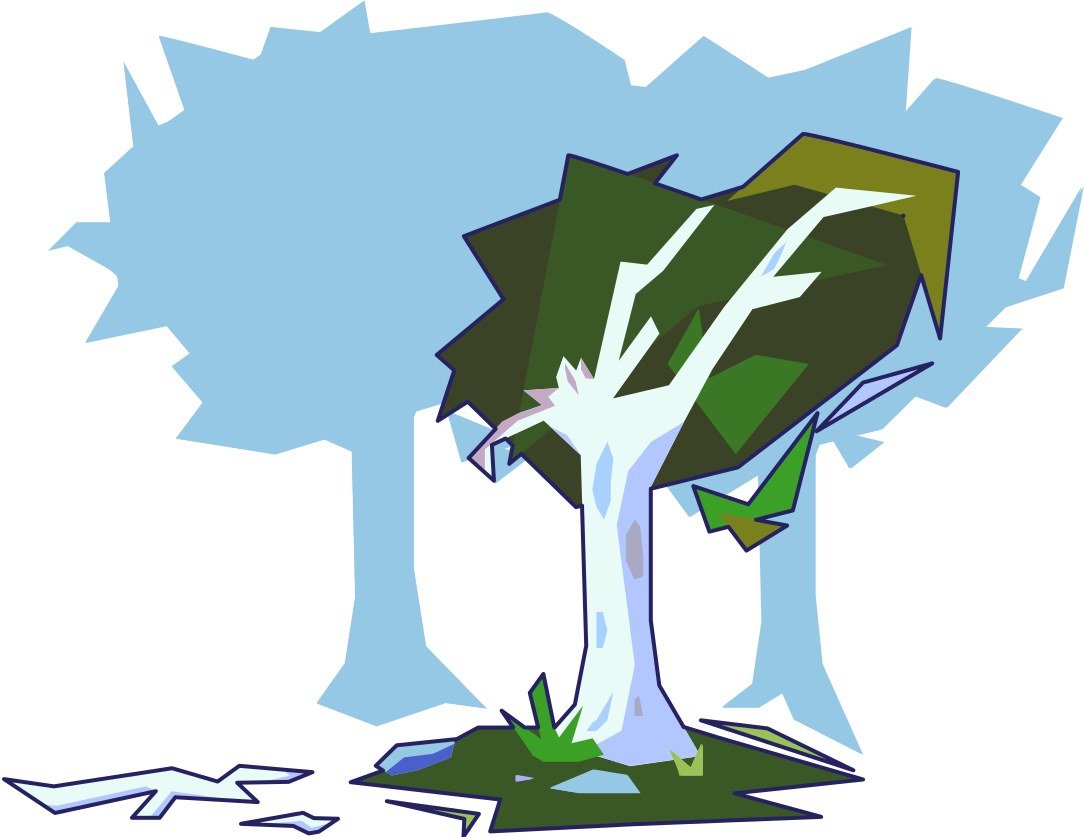
One year, lightning splits a branch.
The wound seals eventually, and new bark forms around the scar.
Part of the tree is gone,
But the tree continues on.
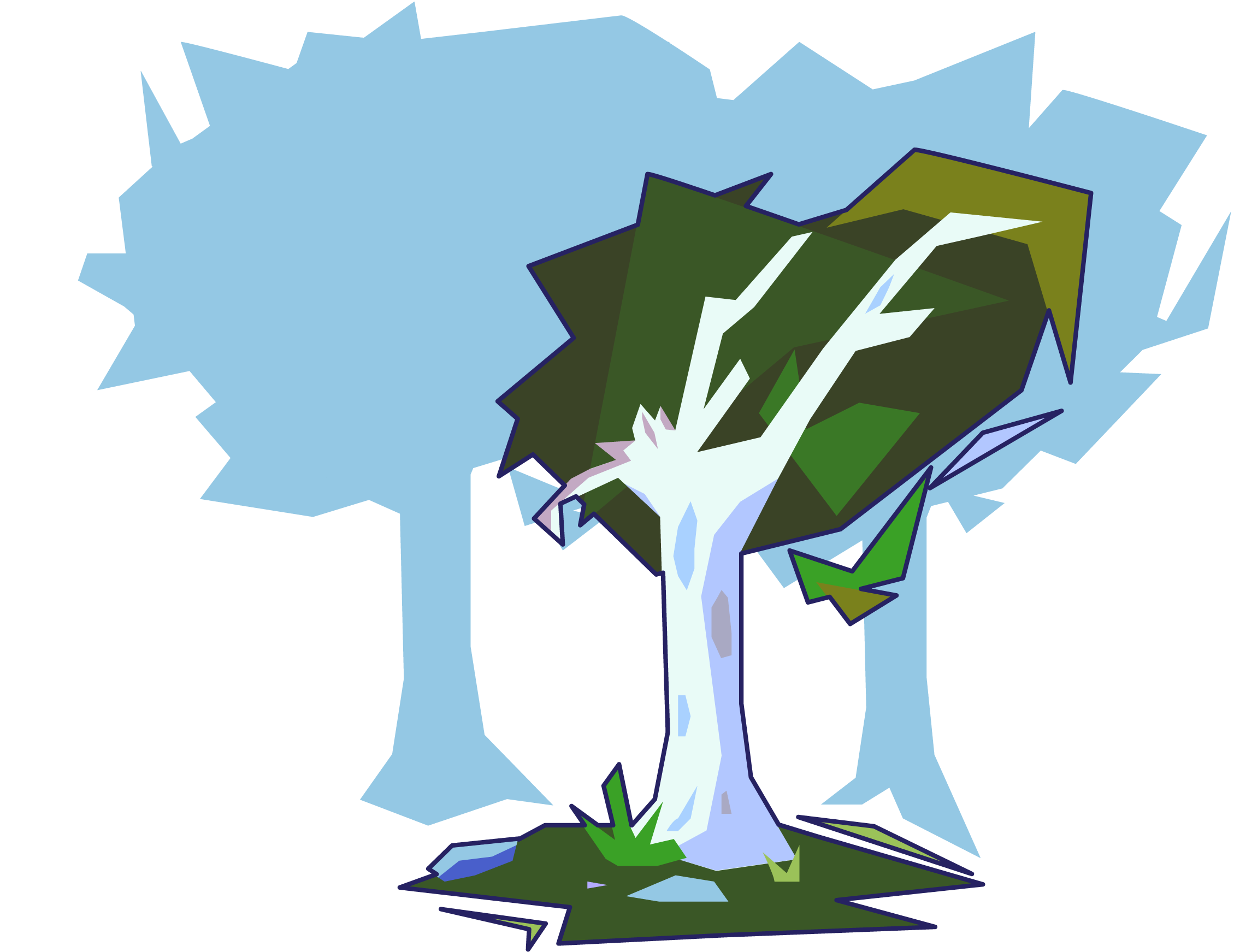

Decades pass.
The crown thins.
Growth slows.
Insects live beneath the bark,
rotting it from the inside.
The tree is less than it was,
but it is still here,
and still a tree.
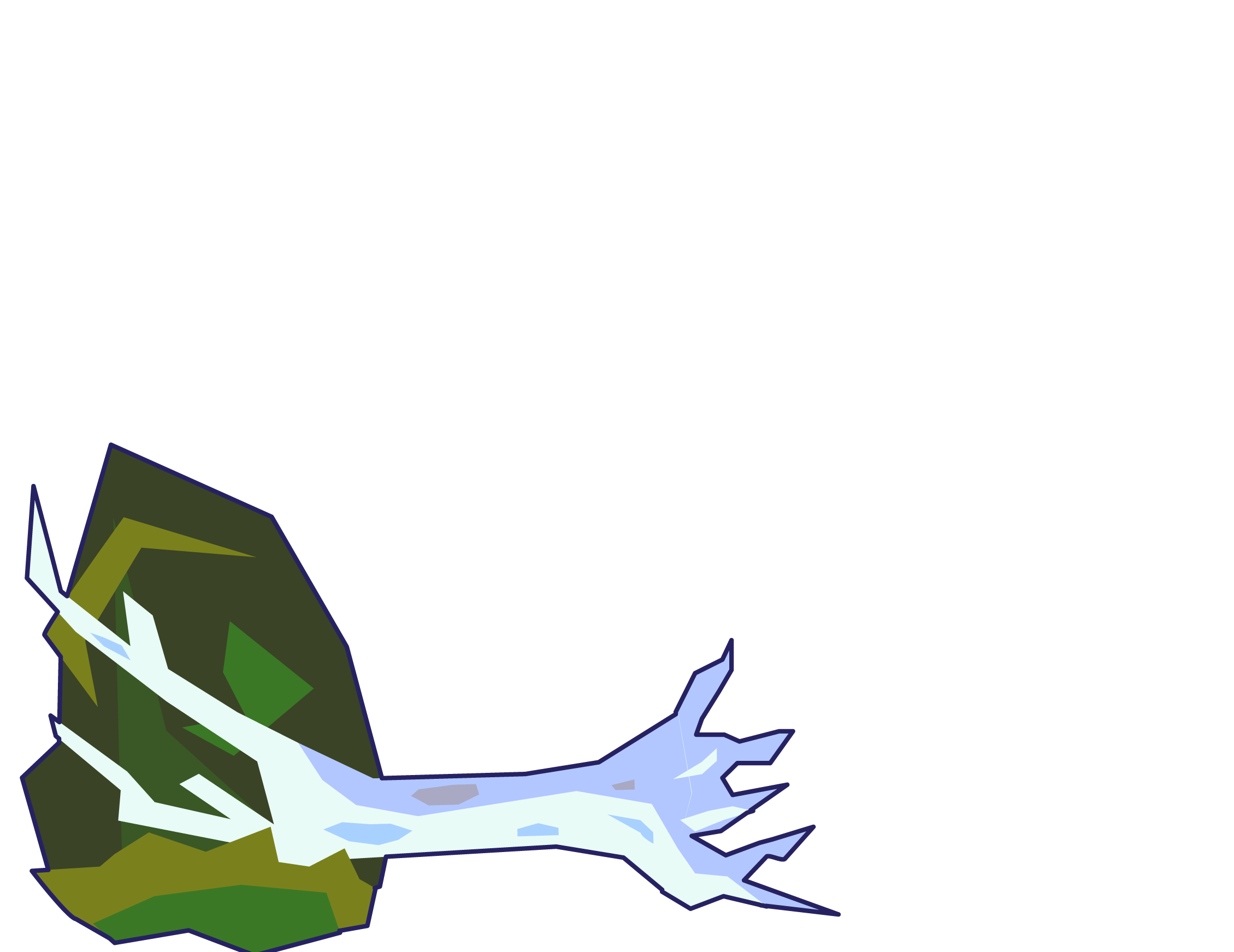
Inevitably, though, the roots loosen.
The gentle wind, which had once carried the seeds of the tree far and wide, Is now too strong. Or the tree is too weak, dying.
The tree falls.
And for a moment, it seems as though something has reached its end.
But the fallen trunk softens.
Moss spreads across it.
Insects hollow it.
Fungi dissolve it into the soil.
The tree has stopped standing.
But its meaning, its consequence, has not gone with it.
Years later, a sapling rises from the rot.
Its roots grow through the remains of the fallen trunk.
Matter moves about, but the process repeats again.
And again.
And again.

In nature, there are no endings.
Only rearrangement.
The tree fell, yes, but it did not stop providing, existing.
Although we call the standing tree and the fallen tree by different names,
To the forest, they are one and the same: life transforming.
If a tree does not truly end,
Then neither can the forest.
And if the forest cannot end,
then the land that feeds it—
and the forest that feeds the land—cannot end.
We search for a true ending.
Oh, but look! A fire, sweeping across the woods,
turning trunks to ash.
Yet the ash feeds the soil.
The soil feeds new growth.


So we search again.
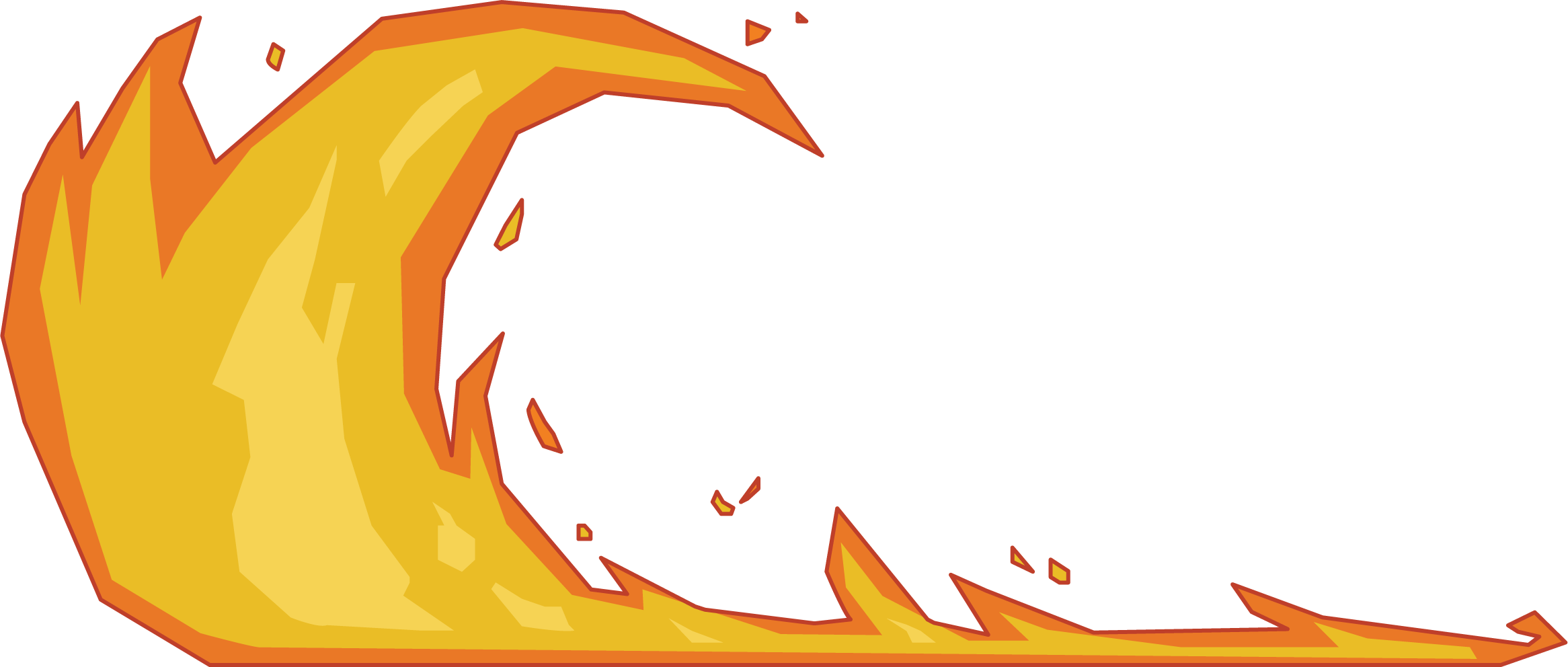
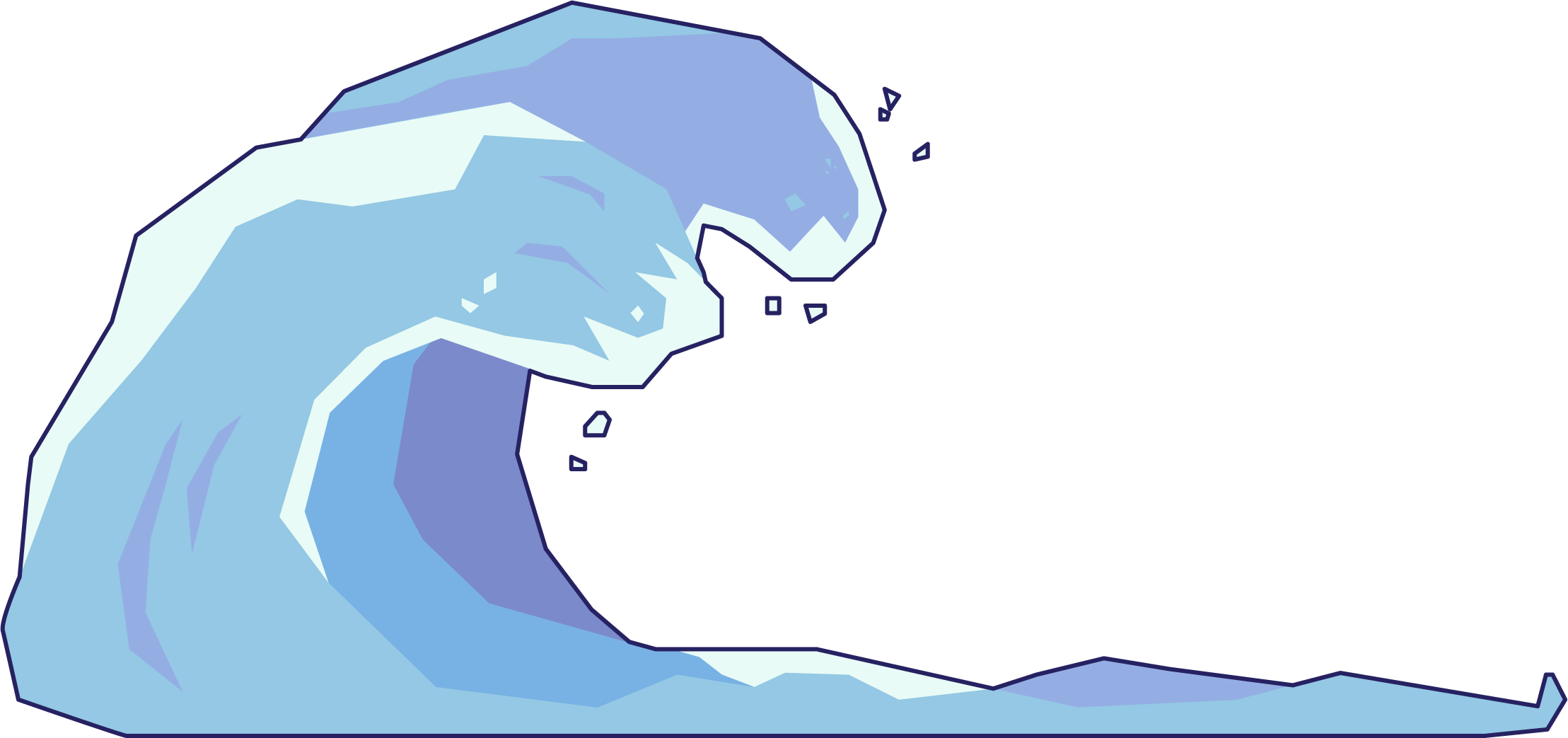
Oh, but look! A wall of water crosses the horizon!
Coasts are swallowed
forests, cities once thriving, now gone.
Erasing every boundary drawn upon the land.
For a moment, the world is gone.
But the water settles.
And the fish feast on the bodies
And make homes in the remains.
So we search again.
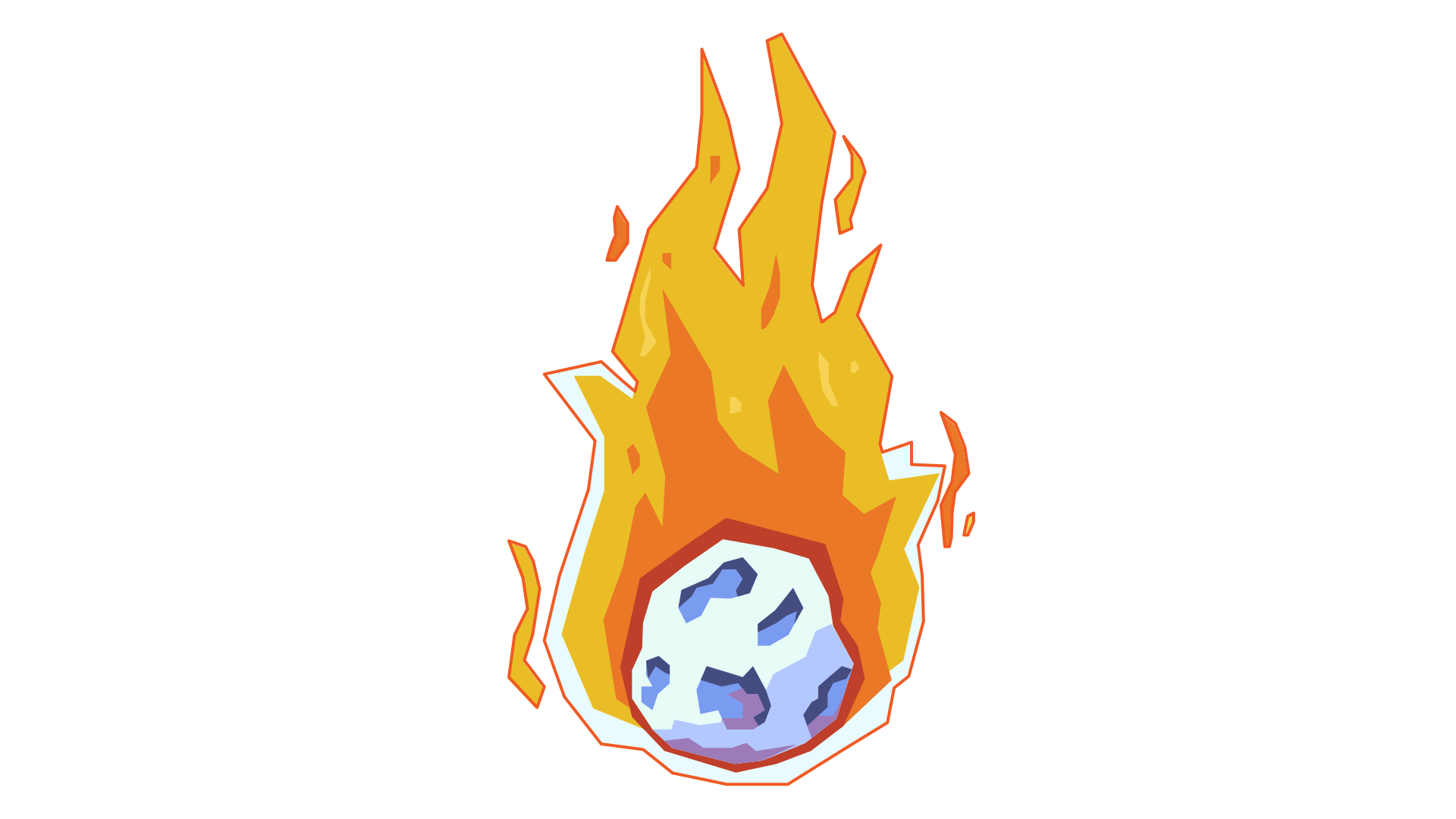
Oh, but look! An asteroid is falling toward us.
Impact. The oceans boil. Skies darken. Life vanishes.
But the planet remains.
Stone melts, cools, and reshapes.
Life returns in forms that do not remember what came before.
Each catastrophe feels like an ending,
but only to what cannot continue in the same form through it.
And so the question is:
If nothing truly ends, why should the universe?



Cosmology predicts a heat death.
Space continues to expand.
But the stars exhaust their fuel.
Galaxies drift further and further away, slowly fading.
Eventually, it all fades, and everything becomes the same.
No fire, no great explosion, no sound—
Only emptiness, in a universe that keeps moving forward.

But continued expansion is only a guess,
A prediction based on something so large, so beyond what we can see.
If expansion slows, even slightly,
Then the future is not emptiness.
In such a universe, distance shrinks.
And shrinks.
And shrinks.
And shrinks once more.
Everything comes together, brought close by force.
The forests, the land, oceans, stars, planets, and—
The heat grows hotter and hotter and—
From within that moment, there would be no past.
Only heat.
Only motion outward.
We would call it a beginning.
And perhaps we already have.
13.8 billion years ago, the universe was dense and hot.
The Big Bang.
From that brightness, matter scatters.
It cools.
It gathers.
Stars burn.
Worlds form.
Rain falls.
And somewhere, quietly,
without memory of all that came before,
there is: